Category
Perinatal mood disorder
The same hormonal drop and sleep loss that drive PPD contribute to PPA, layered on the very real hyper-vigilance of caring for a newborn. A history of anxiety, a NICU stay, pregnancy loss, or a difficult birth all raise risk.
PPA responds well to cognitive behavioral therapy, which targets the worry cycle directly, and to SSRIs when symptoms are moderate or severe. Sleep protection, gentle movement, caffeine moderation, and steady blood-sugar nutrition meaningfully reduce the physical edge of anxiety.
Blood-sugar swings and caffeine amplify anxiety’s physical symptoms. Warm, protein- and mineral-rich meals—especially magnesium- and B-vitamin-dense foods—help steady the nervous system through the fourth trimester.
Learn more about the food-first recovery method and the nutrients that matter most in the nutrition rankings.
Beyond the 6,163 studies indexed in PubMed, these are examples of active or recruiting clinical trials pulled live from ClinicalTrials.gov:
| Study | Status | Sponsor |
|---|---|---|
| Resources, Inspiration, Support and Empowerment (RISE) for Black Pregnant Women | Active Not Recruiting | Cedars-Sinai Medical Center |
| Narrative Nursing for Cesarean Mothers' Anxiety and Breastfeeding Confidence | Recruiting | Xi Huang |
| QR Code-Based Preoperative Education for Cesarean Birth: Anxiety, Pain, and Comfort | Not Yet Recruiting | Karabuk University |
| External Trigeminal Nerve Stimulation for Migraine Treatment in Pregnancy | Recruiting | Cefaly Technology |
| Online Transdiagnostic Group CBT for Postpartum Depression and Anxiety | Active Not Recruiting | McMaster University |
Selected recent peer-reviewed studies, pulled live from the U.S. National Library of Medicine (PubMed). Counts and citations update automatically.
Yes. Postpartum anxiety frequently occurs on its own, though the two often overlap.
Some worry is universal for new parents. It becomes a disorder when it is excessive, persistent, hard to control, and interferes with sleep or daily life.
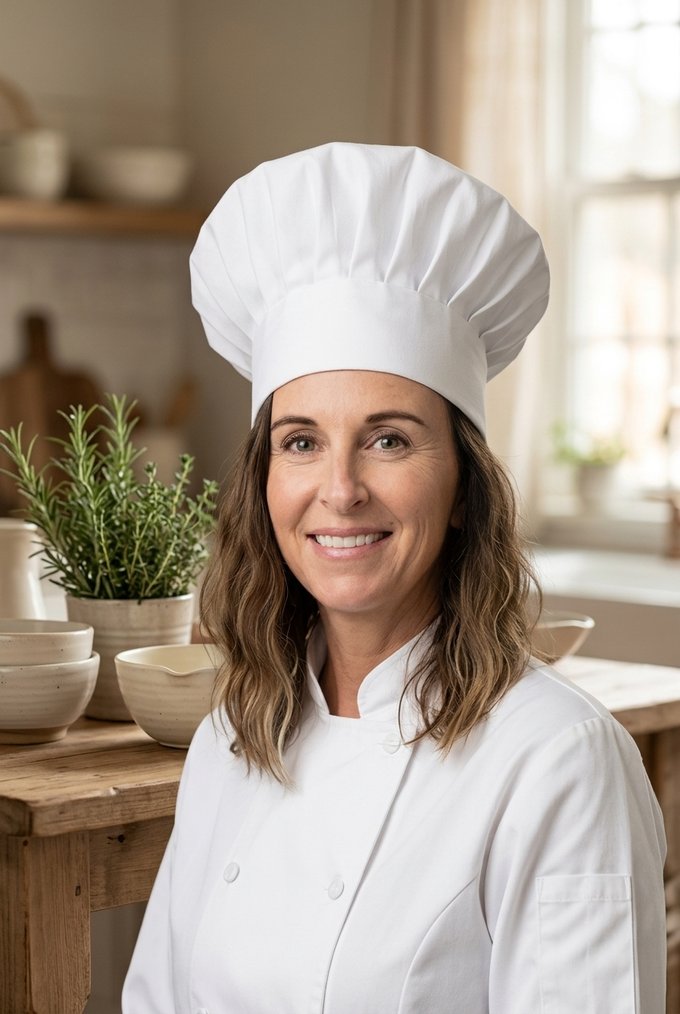
Emily is a chef, mother of five and postpartum-recovery educator who revives the 2,000-year-old zuo yuezi ("sitting month") tradition for modern mothers. Her patent-backed, food-first method helps women rebuild after birth and ease postpartum depression — and she now certifies doulas and midwives to cook it for their own clients.
Emily's food-first recovery course, recovery teas and doula & midwife certification live at The Sitting Month. Text Emily and she'll help you find the right starting point.
Explore The Sitting Month