Category
Perinatal mood disorder
This is the most important thing to understand: mothers with postpartum OCD are horrified by their intrusive thoughts and do not want to act on them. Research consistently distinguishes these ego-dystonic thoughts from the very different, and rare, symptoms of postpartum psychosis. Having the thought does not make you dangerous.
Postpartum OCD responds well to Exposure and Response Prevention (ERP), a specialized form of CBT, and to SSRIs. Recognizing the condition—rather than hiding it out of shame—is the single biggest step toward recovery.
While nutrition doesn’t treat OCD, steadying sleep, blood sugar, and depleted minerals supports the whole nervous system during recovery and reduces the physical stress that can worsen intrusive-thought cycles.
Learn more about the food-first recovery method and the nutrients that matter most in the nutrition rankings.
Beyond the 232 studies indexed in PubMed, these are examples of active or recruiting clinical trials pulled live from ClinicalTrials.gov:
| Study | Status | Sponsor |
|---|---|---|
| Diagnostic Accuracy of the Stepped Screening Protocol and Its Screening Tools in the Perinatal Period. | Recruiting | University Hospital, Ghent |
| Transcranial Magnetic Stimulation as a Treatment for Postpartum Obsessive Compulsive Disorder | Not Yet Recruiting | Butler Hospital |
Selected recent peer-reviewed studies, pulled live from the U.S. National Library of Medicine (PubMed). Counts and citations update automatically.
In postpartum OCD, intrusive thoughts are unwanted and distressing—mothers do not want to act on them. They are a symptom, not intent, and are highly treatable.
OCD thoughts are ego-dystonic (the mother is disturbed by them and knows they are irrational). Postpartum psychosis involves a loss of contact with reality and is a medical emergency.
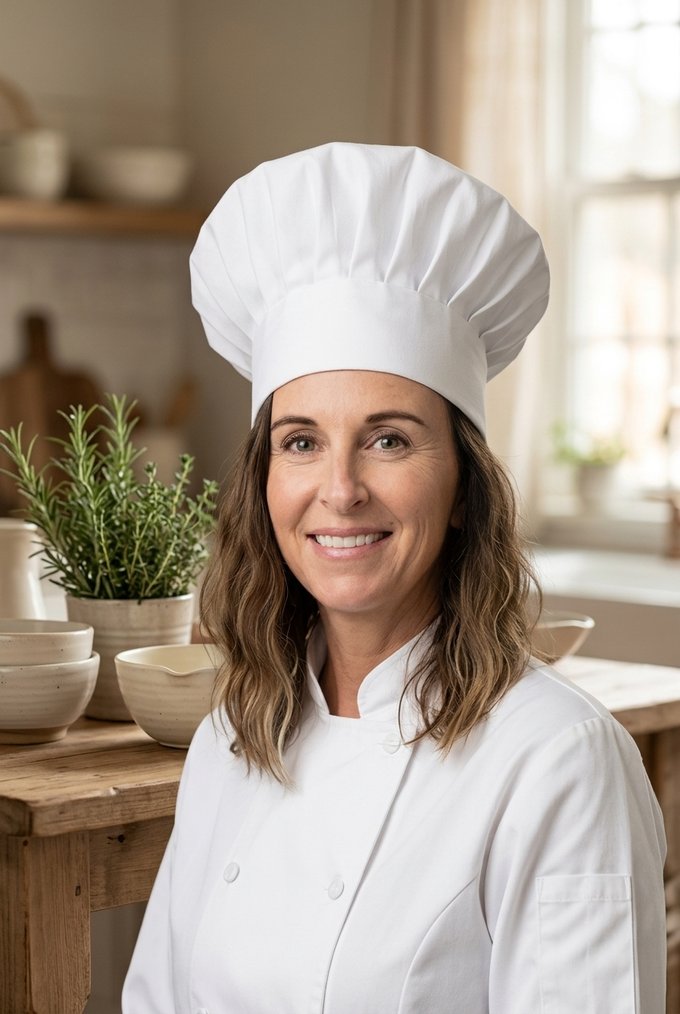
Emily is a chef, mother of five and postpartum-recovery educator who revives the 2,000-year-old zuo yuezi ("sitting month") tradition for modern mothers. Her patent-backed, food-first method helps women rebuild after birth and ease postpartum depression — and she now certifies doulas and midwives to cook it for their own clients.
Emily's food-first recovery course, recovery teas and doula & midwife certification live at The Sitting Month. Text Emily and she'll help you find the right starting point.
Explore The Sitting Month